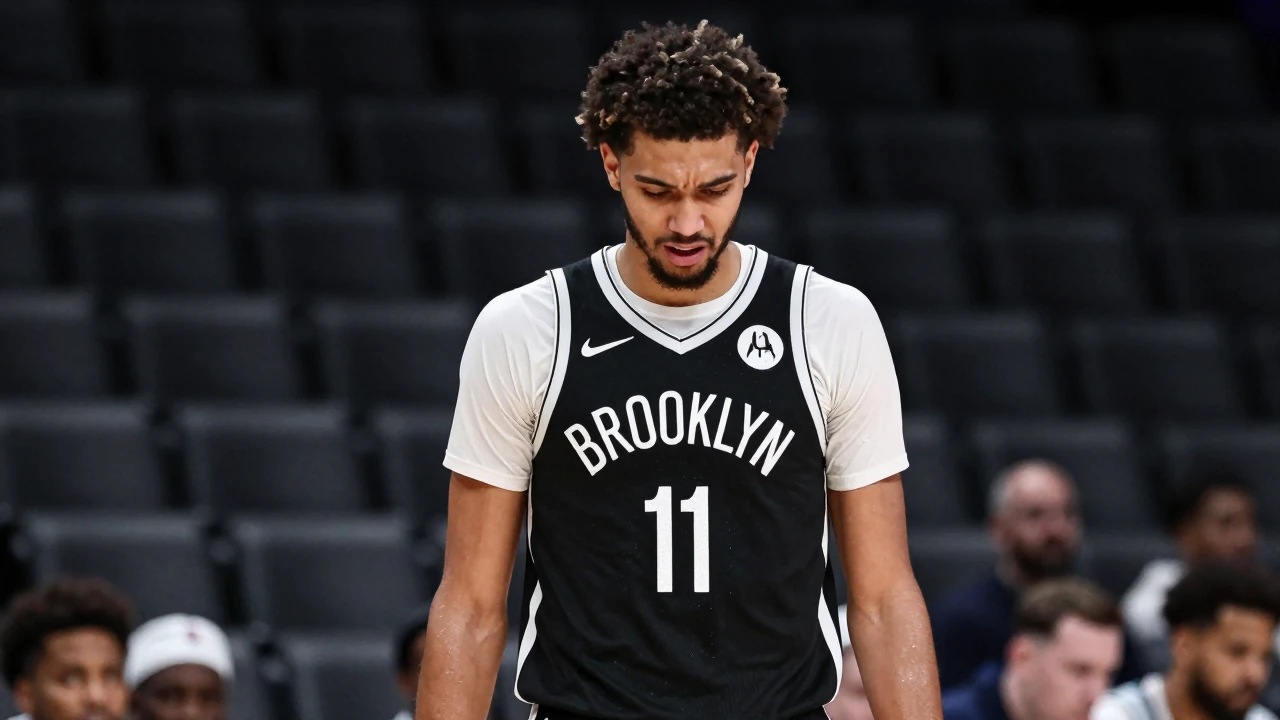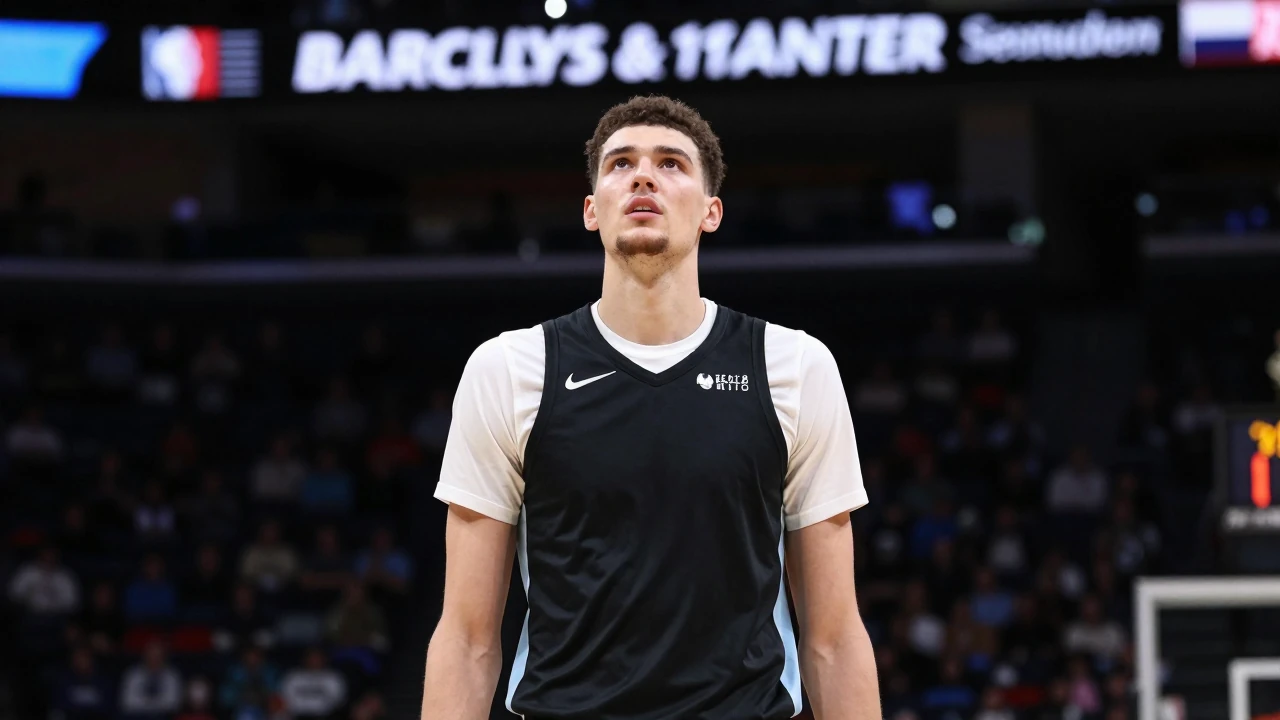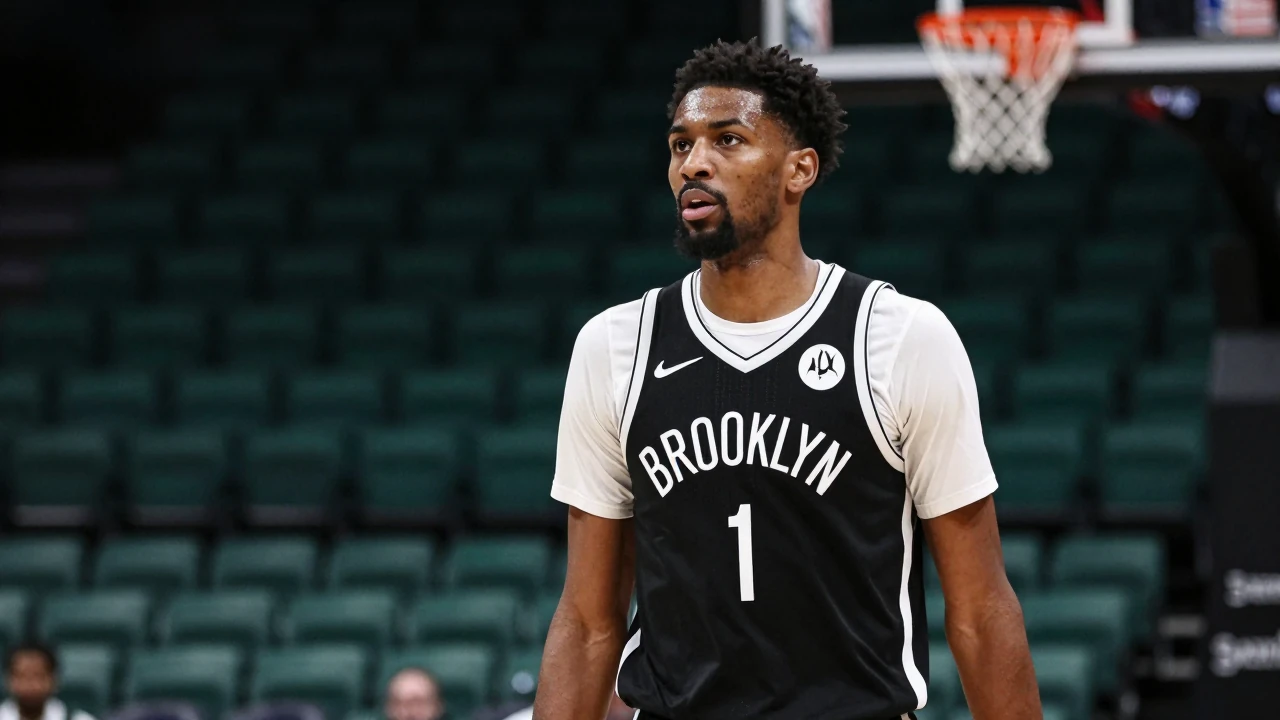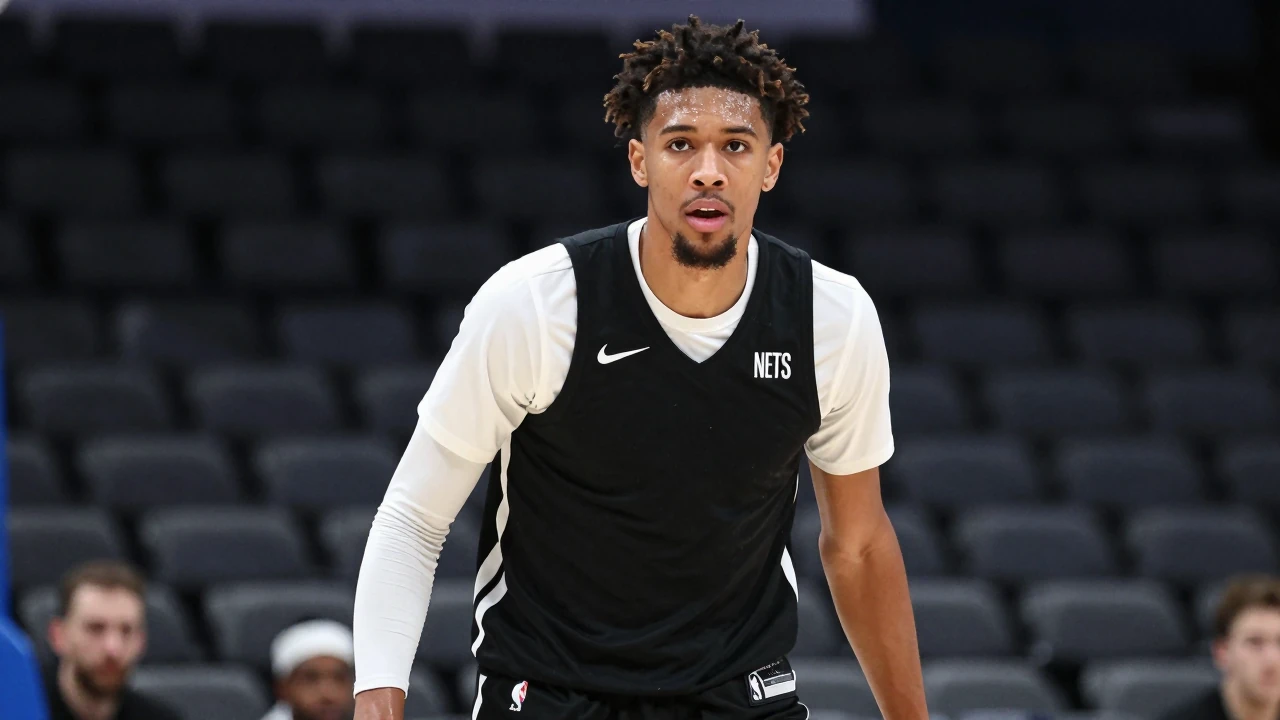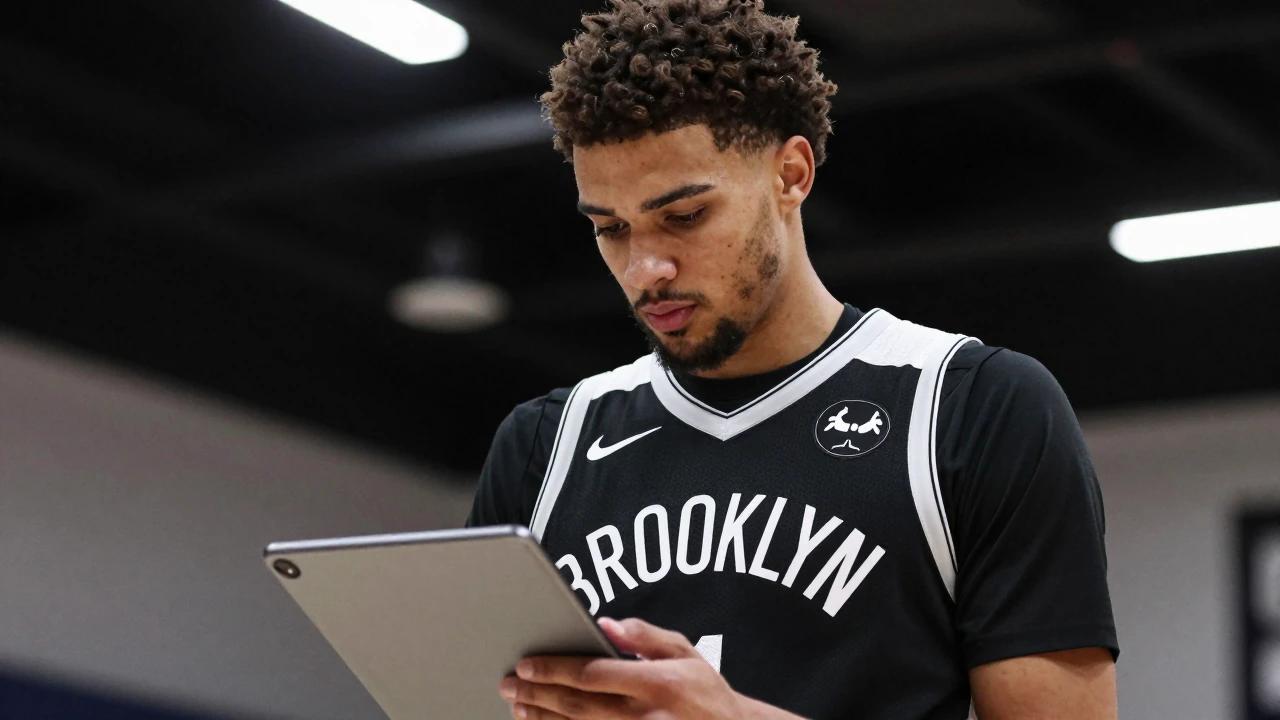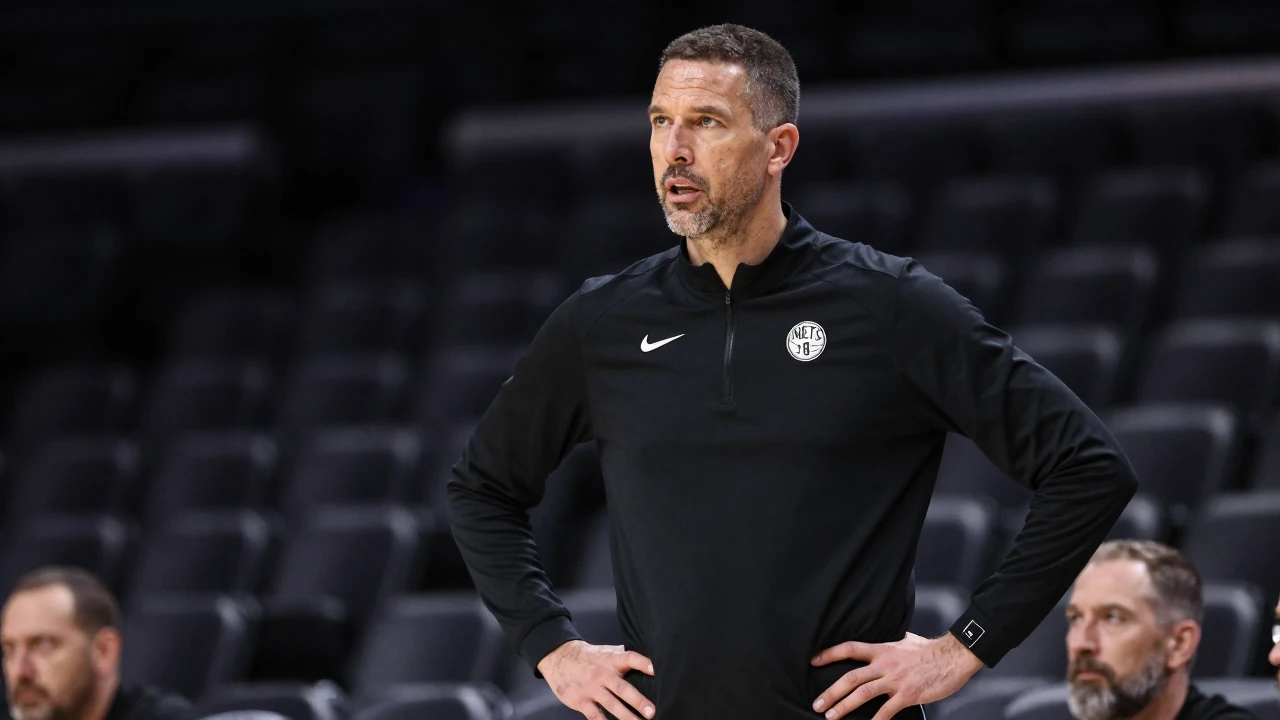
The Brooklyn Nets enter the 2026-27 season with playoff ambitions but face a complex strategic dilemma if they start slowly. Their recent form, including a 125-108 loss to the Milwaukee Bucks on April 11, 2026, and a 2-3 record in their last five games, highlights the team's inconsistency. With the Houston Rockets controlling a 2027 first-round pick swap, the incentive structure for Brooklyn is unusual.
Why is the 2026-27 season so important for the Nets?
Next season, the Nets aim to compete in a deep Eastern Conference. They've added veterans like Julius Randle and Mikel Brown Jr. To an intriguing young core. The primary goal is securing a postseason spot. However, the team's lack of control over its own 2027 first-round pick complicates any long-term planning. This situation was created by the pick swap held by Houston. Without that asset, the traditional path of tanking for a high draft choice is less clear.
Balancing player development with immediate winning is a tough act. Coach Jordi Fernandez will need to integrate new pieces quickly. If early adjustments are rocky, Brooklyn could find itself on the outside of the playoff picture. The team's recent 2W-3L run, losing its last two games, shows how quickly momentum can shift. You can track their progress and upcoming challenges on our [fixtures](/fixtures) page.
What would trigger a tanking strategy for Brooklyn?
The argument for tanking emerges if the Nets have a poor start. If by the season's midpoint they are far from playoff contention, shifting focus to development might be wise. This isn't about giving up, but about maximizing future assets. Since Houston controls their pick via swap, Brooklyn's own draft position still matters for other teams' evaluations and potential trade discussions.
A slow start could mean new additions struggle to find chemistry. It could also mean injuries pile up. In that scenario, pushing for a play-in spot might hurt more than it helps. The front office, led by General Manager Sean Marks, would have to make a cold calculation. Is fighting for the 10th seed worth stunting the growth of young players like Noah Clowney? Probably not.
How does the current roster affect this decision?
The presence of Julius Randle and Mikel Brown Jr. Suggests a win-now mentality. Randle brings All-Star caliber scoring and rebounding. Brown Jr. Adds backcourt depth and defensive intensity. They join a core that includes Cam Thomas and Ben Simmons. This mix creates pressure to perform.
But the NBA season is a marathon. A 2-3 stretch, like their recent form, can snowball. If the defense ranks in the bottom ten or the offense sputters, changes will come. The front office must assess whether this group has a true ceiling. If the answer is no, then pivoting early to secure a better draft position for Houston's swap could be the smart, albeit unpopular, move. Fans can see how key players are performing on our [stats](/stats) page.
The Nets' front office cannot afford sentimentality. The goal is building a sustainable contender. If competing in 2027 looks unlikely by Christmas, embracing a strategic reset may be the fastest way back to relevance. It's a brutal calculus, but one that defines successful franchises in the modern NBA.