
The 2013 Trade: A Bold Move that Redefined the Nets' Identity
# The 2013 Trade: A Bold Move that Redefined the Nets' Identity
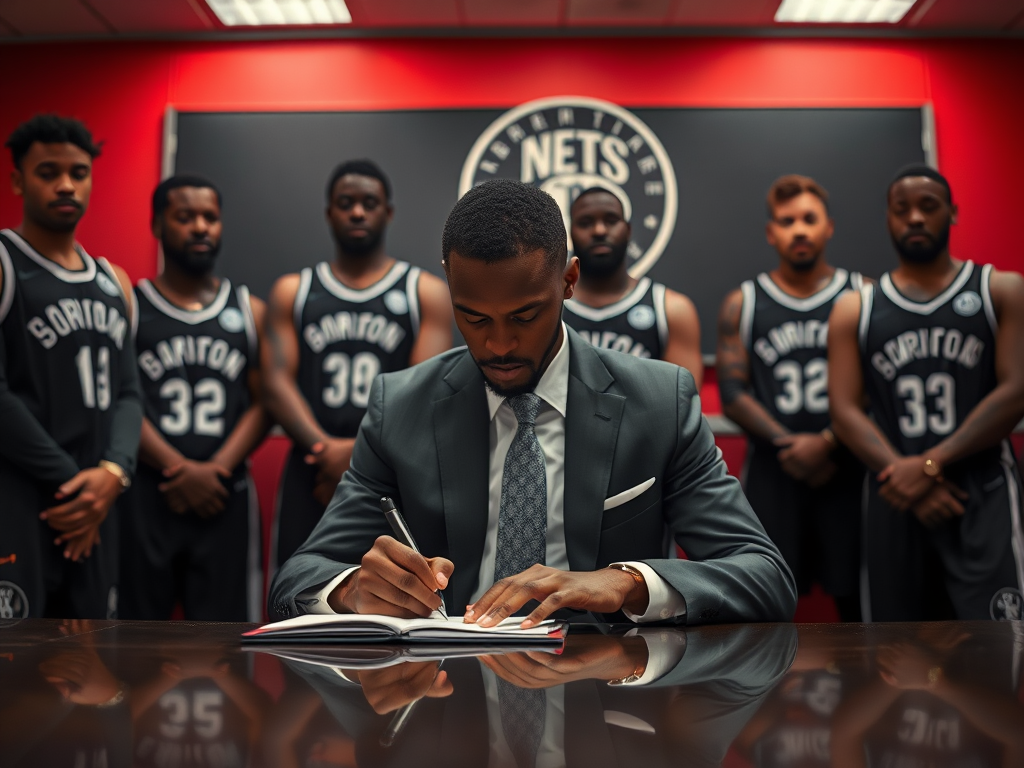
In the world of professional basketball, few events can alter the trajectory of a franchise like a high-profile trade. For the Brooklyn Nets, the 2013 trade that brought veterans Kevin Garnett and Paul Pierce to the Barclays Center was one such moment, a gamble that promised to transform the team’s fortunes but also came with significant long-term implications. This landmark deal not only aimed to enhance the Nets' immediate competitiveness but also marked a shift in the franchise's identity, as they sought to establish themselves as a powerhouse in the Eastern Conference.
In the summer of 2013, the Nets were coming off a promising season, having made the playoffs under head coach Jason Kidd. However, the front office recognized that to challenge for a championship, they needed more than just young talent; they required seasoned veterans who had experienced success in the league. Thus, in a blockbuster trade with the Boston Celtics, the Nets sent a package that included multiple first-round draft picks and key players like Gerald Wallace and Kris Humphries to Boston in exchange for Garnett and Pierce, along with Jason Terry.
The addition of Garnett and Pierce, both future Hall of Famers, was a statement of intent. They brought not only a wealth of experience but also a championship pedigree that the Nets desperately needed. Garnett, known for his defensive prowess and intensity, was expected to anchor the Nets' frontcourt and provide leadership on the floor. Meanwhile, Pierce, the consummate scorer and clutch performer, was poised to elevate Brooklyn’s offensive output, especially in the fourth quarter when games are often decided.
As the 2013-2014 season unfolded, the Nets showcased a blend of seasoned veterans and promising talent. The team started the season with high hopes, and early chemistry between the new acquisitions and returning players like Deron Williams and Brook Lopez suggested that the Nets could be a formidable force in the Eastern Conference. However, the reality proved more complex than anticipated. Injuries plagued key players throughout the season, diminishing the team’s effectiveness and consistency. The Nets finished the regular season with a modest 44-38 record, which, while still good enough for a playoff berth, fell short of the championship aspirations that the trade had ignited.
The playoffs brought a mix of excitement and disappointment. The Nets faced the Toronto Raptors in the first round, a hard-fought series that went to Game 7. In that decisive game, the experience of Garnett and Pierce shone through as they delivered pivotal performances, with Pierce sinking a crucial three-pointer in the final minutes to secure the win. However, the Nets ultimately fell short against the Miami Heat in the second round, highlighting the challenges of integrating new pieces into a cohesive unit under playoff pressure.
Looking back, the 2013 trade reshaped the Nets' identity, positioning them as a team willing to make bold moves to compete at the highest level. However, it also led to a series of repercussions that would echo through the franchise for years. The loss of future draft picks to Boston meant that the Nets would face challenges in rebuilding and developing young talent, a cost that became evident in the years that followed.
In retrospect, while the trade initially brought excitement and elevated expectations, it also serves as a cautionary tale about the risks of sacrificing long-term assets for short-term gains. The 2013 trade was a defining moment for the Brooklyn Nets, exemplifying the complexities of team-building in the NBA and the fine line between ambition and sustainability.